

Whoops! (Credit: Unsplash)
When I read about how Ryan Reynolds openly talks about his losses to his children (in addition to his victories), it struck a chord with me. Why? Because that’s what I do to my students and to children as well. I tell them about the times I’ve lost, the times I’ve made mistakes, the times I’ve completely and utterly screwed up.
But most importantly, admitting that you’ve made a mistake has so much value when it comes to kids. Yes, it’s scary. Admitting you’ve made a mistake (or even mistakes) to children is terrifying.

You might feel vulnerable after admitting a mistake. (Credit: Unsplash)
Admitting mistakes makes you vulnerable
You’re no longer painting a picture of yourself as the omnipotent, infallible adult. You’re allowing kids to question if you’ve made a mistake in the future. You’re indirectly giving them permission to scrutinise you a bit more.
In other words, you’re giving them the license to question if you’re wrong. And I get it. You don’t want them to question you. It can already be difficult to get children to do what you want them to do – you don’t want to give them more opportunities to derail your plans.
But at the same time – children are not our opponents. They’re our partners. And when you look at it from that perspective, it also means that there are several secret benefits of admitting mistakes to children.
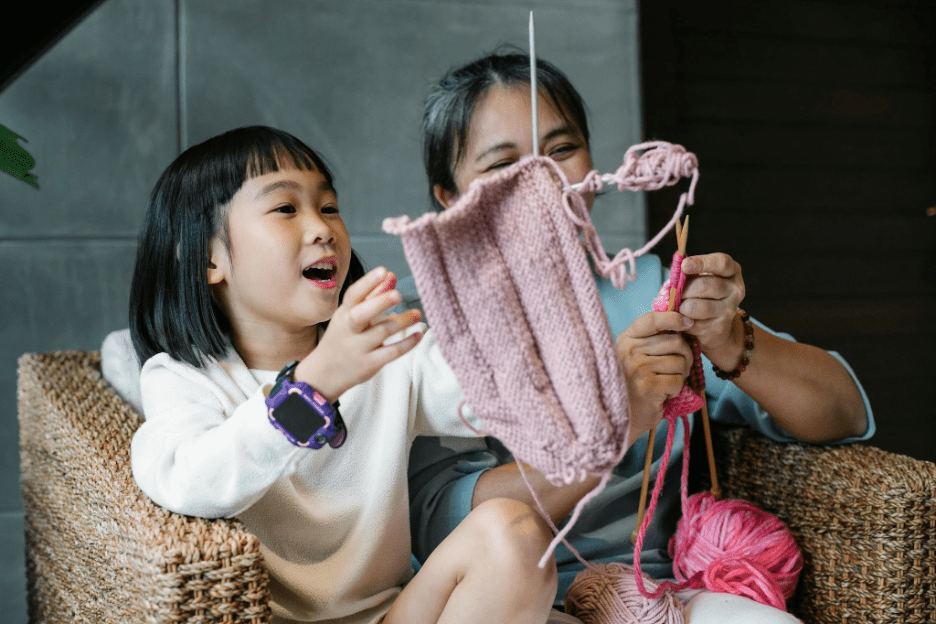
It’s okay to make mistakes sometimes. (Credit: Pexels)
Children will learn that it’s okay to admit their mistakes
We’ve all had children refusing to admit their mistakes to us, refusing to admit they’ve done something wrong. And for good reason – if nobody has modelled how to admit mistakes to them, how will they know how to do it?
More importantly, if they haven’t seen anybody they look up to admitting mistakes, it’s not behaviour they’re going to automatically display. After all, there are so many risks when it comes to admitting mistakes. Besides possible punishments, there’s also the matter of ego.
Yes. We don’t want to admit mistakes to children because of our ego, so children learn not to admit their mistakes because of their ego, too.
But it’s important to acknowledge when a mistake has been made – regardless of age. It’s important to acknowledge the reality of something that has happened, and it’s important to accept things the way they are – especially if it’s a mistake.
So admitting our mistakes to children, will help them learn to admit their mistakes when they make them.
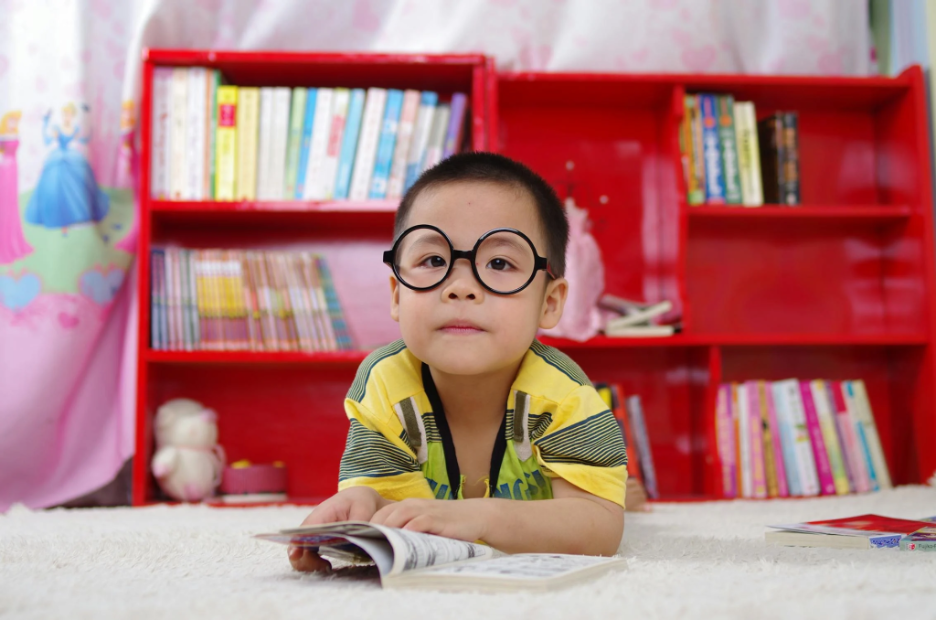
How else do we learn? (Credit: Pexels)
Benefit #1: Mistakes let us learn
No matter what kind of mistake it is – a factual one, an academic one, or even a moral one – mistakes are how we learn (even Forbes says so). Mistakes happen because of a lack of knowledge, expertise, or experience in an area. After all, if we had all three, we probably wouldn’t be making a mistake, would we? Even careless mistakes fall under this category – it’s a sign that we’re not experienced enough to make the judgement call of how helpful to be.
Without mistakes, we’d never know what knowledge or expertise or experience we lack. For children, who have so little of this (because they’ve only been alive for such a short time) – wouldn’t you want them to know what to gain first? What knowledge would benefit them the most?

Find out what you need to learn. (Credit: Pexels)
Benefit #2: Mistakes tell us what to learn
Think about how we’re always looking for areas for improvement when it comes to performance. Mistakes are a sign that there is an area for improvement.
In other words, they’re a signpost for where we need to focus our efforts. For children, it’s the same. It’s a sign of where they need to practise more, where they need to put in more effort. It’s of little use focusing on areas where one is strong in (when it comes to academics) – it’s far more efficient to know where we should spend more limited time.

Learning to be true to oneself. (Credit: Pixabay)
Benefit #3: Develops authenticity
Admitting mistakes is a form of honesty. When you’re accountable to someone and you make a mistake, it’s a show of honesty to admit that mistake. But I’m sure you know that. We all know that.
More importantly, admitting mistakes is a form of honesty to oneself. It’s about being able to accept the truth about oneself. It’s about acknowledging what the reality is about oneself, rather than living in denial about one’s own character.
It’s about being more authentic. And for children, who are still forming their own identity and personality – this is incredibly important for them. You don’t want them growing up denying who they really are. You want them to accept themselves, foibles and all – so that if they want to make a change, they’re empowered to.
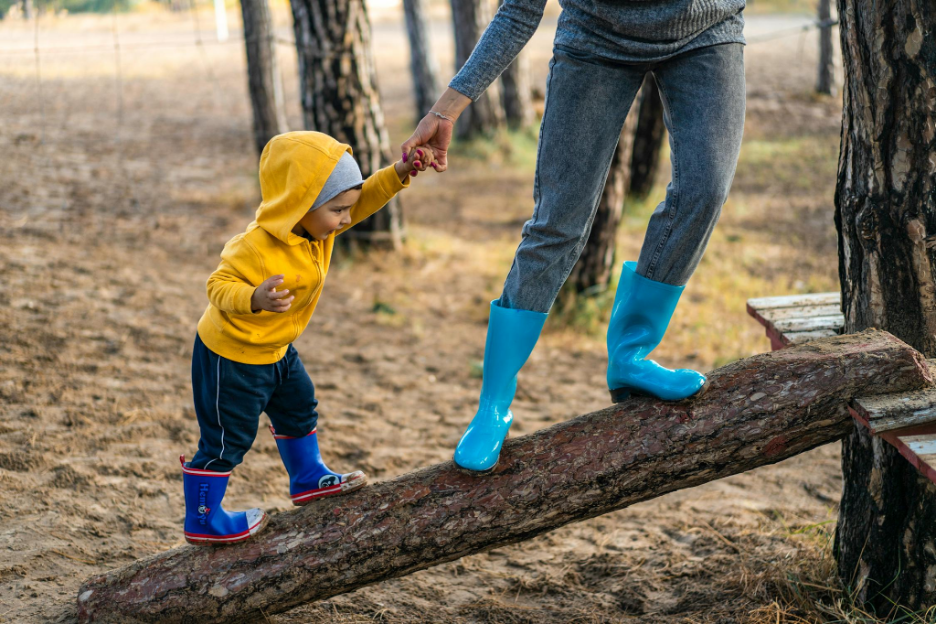
You can try new things without fear of mistakes. (Credit: Pexels)
Benefit #4: Provides the courage and space to try new things
The last hidden benefit is that admitting mistakes destigmatises mistakes. And that’s critical when it comes to trying new things, learning new subjects, acquiring new skills.
Because whenever there’s something new, there’s a high chance that a mistake will be made. If you’re unfamiliar with it, you might not know what to do – and that’s when mistakes occur, right?
But if you’re scared of making mistakes, scared of admitting mistakes, scared of mistakes – then you might shy away from trying new things. You might shy away from the possibility of making mistakes.
Ironically, trying new things and learning new knowledge is what will help us avoid making mistakes in the future. Increasing your knowledge base, skills, and experience will help you identify what to do in different situations, after all.
So admitting mistakes to children helps to destigmatise it for them – which, in turn, helps them be more comfortable with making mistakes. And when they’re more comfortable with making mistakes, they’ll be more open to trying new things.

Making it right, makes a better world. (Credit: Unsplash)
It’s more than just about admitting mistakes
Of course, it’s not just as simple as admitting that you’ve made a mistake. You need to own the mistake, make restitution, and show that you’re treating the mistake the way it should be treated. You have to make things right.
And that’s ultimately what we want children to learn. To admit the mistake. To own the mistake.
And to make it right.
How else can you help your child? You might want to look at my upcoming workshop, Smart But Lazy: Motivating Your Brilliant Child (for adults) on 7 December, 3.00pm – 5.00pm.
Check out my upcoming workshops too!

26 October, 3.00pm – 5.00pm
$99
Sign up by Whatsapping
– the student’s name
– the parent’s name
– level (P4 – P6) in 2024
and we’ll get back to you!
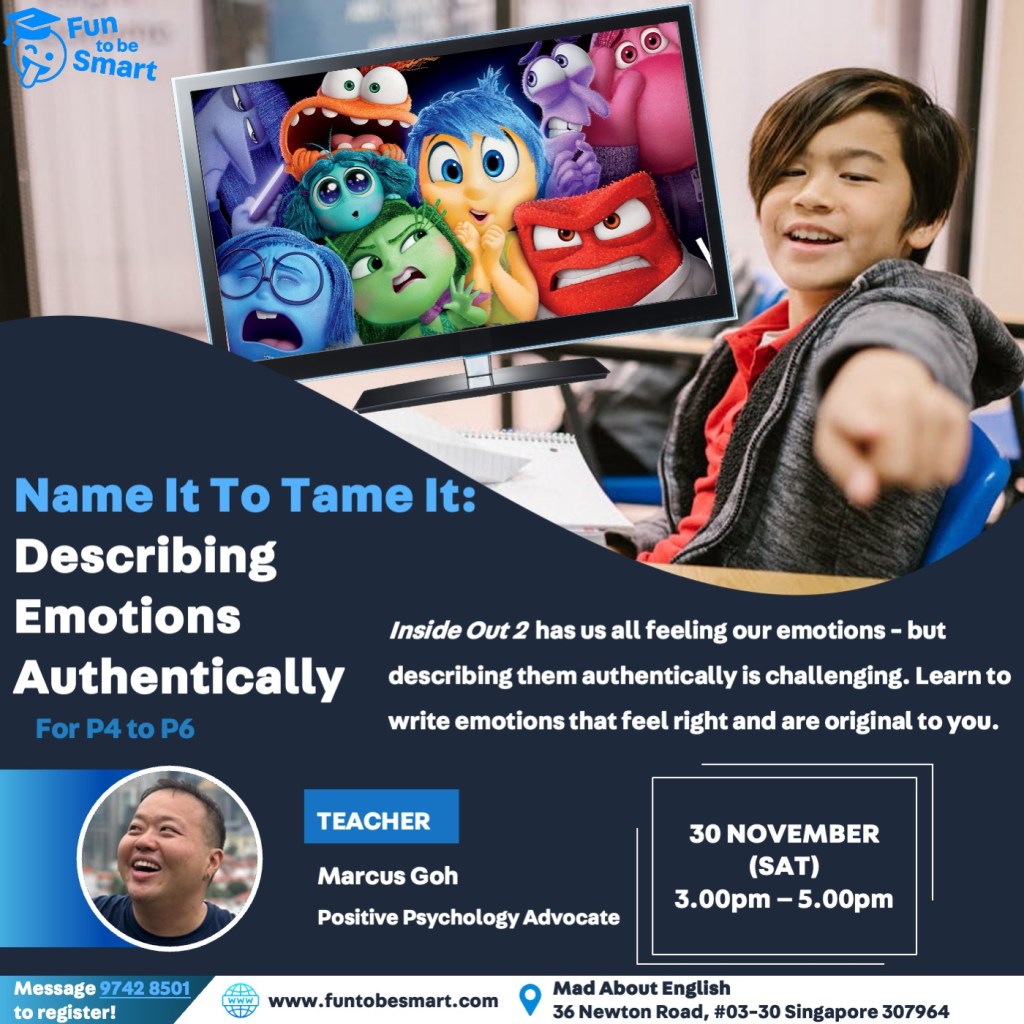
Inside Out 2 has us all feeling our emotions – but describing them authentically is challenging. Who has actually jumped over the moon or gone down in a dump full of trash? In this workshop, learn to write emotions that are authentic and original to you – emotions that feel right.
30 November, 3.00pm – 5.00pm
$99
Sign up by Whatsapping
– the student’s name
– the parent’s name
– level (P4 – P6) in 2024
and we’ll get back to you!


 Fun to be Smart
Leave a comment